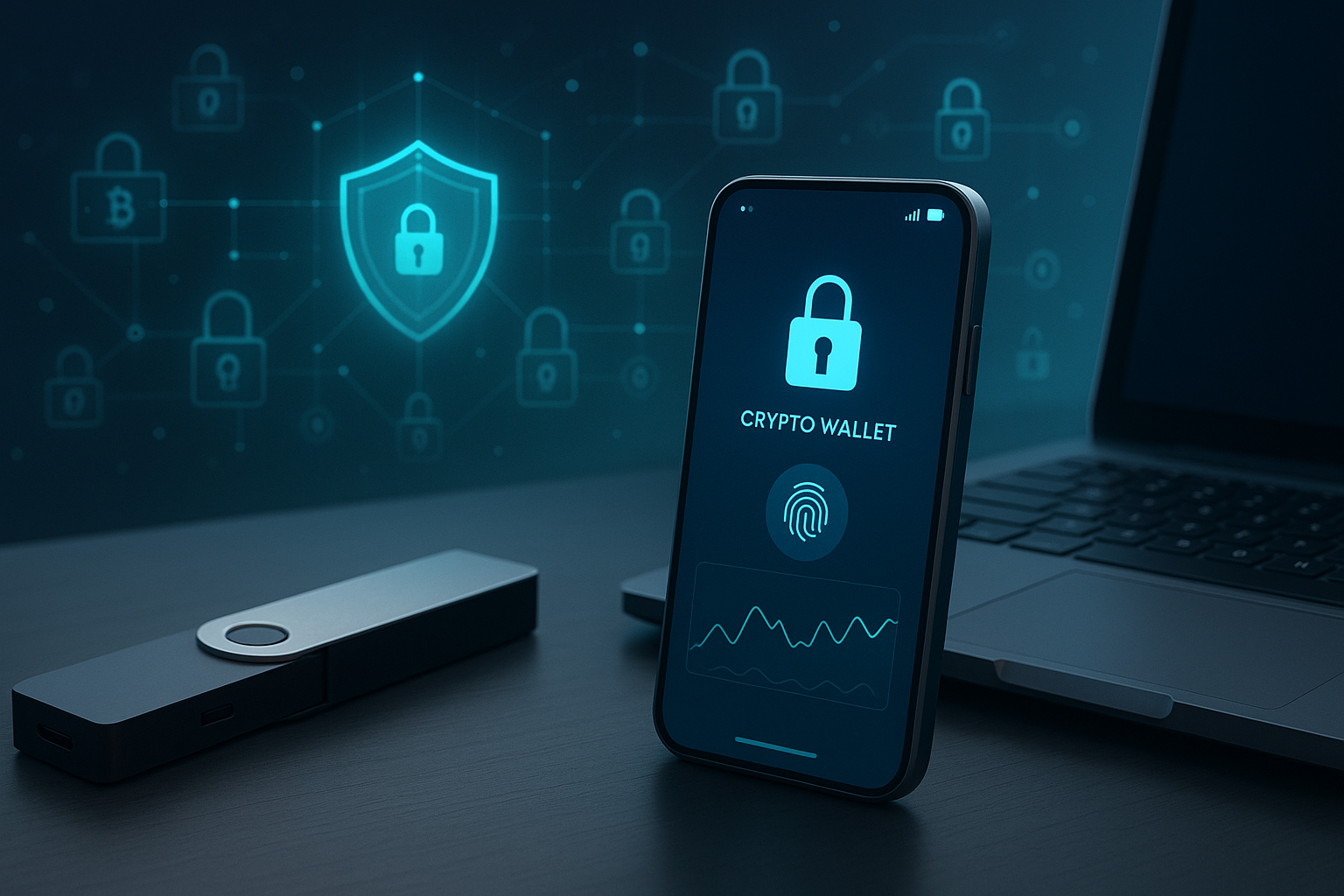
As cryptocurrency adoption continues to grow around the world, protecting digital assets has become more important than ever. Unlike traditional bank accounts, cryptocurrency wallets place much of the responsibility for security directly in the hands of the owner. A single mistake—such as exposing a private key or falling for a phishing scam—can lead to permanent financial loss.
While blockchain technology itself is highly secure, many successful crypto thefts occur because of poor wallet management rather than weaknesses in the blockchain. This is why understanding crypto wallet security best practices is essential for anyone who owns or plans to invest in digital assets.
Whether you’re a beginner or an experienced investor, following proper security measures can significantly reduce the risk of losing your cryptocurrency.
What Is a Crypto Wallet?
A crypto wallet is a tool that allows users to store, send, and receive digital assets securely. Contrary to popular belief, wallets do not actually store cryptocurrencies themselves. Instead, they store the cryptographic keys that provide access to blockchain-based assets.
There are two main components associated with every wallet:
- Public Key: Similar to an account number, it can be shared with others to receive funds.
- Private Key: A confidential key that proves ownership and allows transactions to be authorized.
Keeping the private key secure is one of the most important responsibilities of every cryptocurrency holder.
Types of Crypto Wallets
Different wallet types offer different levels of convenience and security.
Hot Wallets
Hot wallets are connected to the internet and include mobile apps, desktop software, and browser extensions.
Advantages:
- Easy access
- Fast transactions
- Convenient for daily use
Disadvantages:
- More exposed to cyber threats
- Vulnerable if devices become compromised
Cold Wallets
Cold wallets remain offline and include hardware wallets or paper backups.
Advantages:
- Higher security
- Reduced exposure to hackers
- Suitable for long-term storage
Disadvantages:
- Less convenient for frequent trading
- Physical loss can create challenges if backups are unavailable
Many experienced investors use both types, keeping smaller amounts in hot wallets and storing long-term holdings offline.
Protect Your Private Keys
Your private key is essentially the master password for your cryptocurrency.
Anyone who gains access to it can control your funds.
To improve security:
- Never share private keys with anyone.
- Avoid storing them in cloud storage or email accounts.
- Keep offline backups in secure locations.
- Do not enter private keys into unknown websites.
Treat your private key with the same level of care you would give to highly valuable personal documents.
Secure Your Recovery Phrase
Most wallets generate a recovery phrase consisting of 12 or 24 words during setup.
This phrase allows users to restore wallet access if the original device is lost or damaged.
Best practices include:
- Write it down on paper.
- Store copies in secure physical locations.
- Never save it in plain text on internet-connected devices.
- Never share it with anyone claiming to offer support.
Losing your recovery phrase can make it impossible to recover your assets.
Enable Two-Factor Authentication
Whenever available, two-factor authentication (2FA) should be activated.
With 2FA enabled, logging in requires both a password and a second verification step, such as an authentication app or security code.
Even if someone steals your password, the additional verification layer makes unauthorized access much more difficult.
For exchange accounts and online wallet services, enabling 2FA is considered one of the simplest yet most effective security measures.
Use Strong and Unique Passwords
Weak passwords remain one of the leading causes of account compromise.
Avoid predictable passwords such as birthdays or simple word combinations.
Instead:
- Use long passwords.
- Combine uppercase and lowercase letters.
- Include numbers and symbols.
- Avoid reusing passwords across multiple accounts.
Password managers can help generate and securely store complex credentials.
Watch Out for Phishing Attacks
Phishing scams are among the most common methods used by cybercriminals to steal cryptocurrency.
Attackers often create fake websites, emails, or social media messages that appear legitimate.
They may ask users to:
- Enter wallet credentials
- Reveal recovery phrases
- Approve fraudulent transactions
- Download malicious software
Before entering sensitive information, always verify website addresses and confirm that communications come from official sources.
If something seems suspicious, it is safer to avoid interacting with it.
Keep Software Updated
Wallet developers regularly release security updates that address newly discovered vulnerabilities.
Running outdated software may expose users to unnecessary risks.
Always:
- Install official updates promptly.
- Download wallet software from trusted sources.
- Keep operating systems and security software current.
Regular updates help ensure that the latest protections are in place.
Be Careful with Public Wi-Fi
Using public internet connections for cryptocurrency transactions can increase security risks.
Hackers may monitor unsecured networks or attempt man-in-the-middle attacks.
When accessing wallets or exchanges:
- Use trusted private networks.
- Avoid conducting sensitive transactions on public Wi-Fi.
- Consider using a secure VPN if necessary.
Taking these precautions reduces opportunities for attackers.
Verify Transaction Details Carefully
Blockchain transactions are generally irreversible.
Before confirming any transfer:
- Double-check wallet addresses.
- Confirm recipient information.
- Verify transaction amounts.
- Review network fees.
A simple typing mistake can send funds to the wrong address permanently.
Many experienced users first send a small test transaction before transferring larger amounts.
Diversify Storage Methods
Keeping all digital assets in one wallet increases potential risk.
Some investors choose to distribute holdings across multiple wallets for additional protection.
For example:
- One wallet for daily transactions
- One cold wallet for long-term savings
- One backup storage location
Diversification can reduce the impact of device failure or security incidents.
Educate Yourself Continuously
The cryptocurrency industry evolves rapidly, and security threats continue to change.
Staying informed about new scams, software updates, and best practices helps users protect their investments more effectively.
Reliable education is often one of the strongest forms of defense against cybercrime.
Learning how attackers operate makes it easier to recognize suspicious situations before damage occurs.
Common Mistakes to Avoid
Many crypto losses happen because of avoidable errors.
Some of the most common include:
- Sharing recovery phrases
- Storing passwords in unsecured files
- Falling for fake customer support messages
- Ignoring software updates
- Clicking suspicious links
- Reusing passwords
- Trusting unknown websites
Avoiding these mistakes significantly improves overall wallet security.
The Future of Crypto Wallet Security
As cryptocurrency adoption expands, wallet security technologies are expected to become more advanced.
Future innovations may include:
- Biometric authentication
- Multi-party authorization systems
- AI-powered fraud detection
- Hardware-based identity verification
- Enhanced encryption methods
While technology will continue improving, user awareness will remain one of the most important aspects of protecting digital assets.
Final Thoughts
Crypto wallets provide users with direct control over their digital assets, but they also require responsible security practices. Protecting private keys, securing recovery phrases, enabling two-factor authentication, using strong passwords, and remaining alert to phishing attacks are all essential steps for reducing risk.
Although no system can guarantee complete protection, following established security best practices greatly improves the safety of cryptocurrency holdings. As the digital asset ecosystem continues to evolve, informed users who prioritize security will be better prepared to safeguard their investments and navigate the crypto world with confidence.